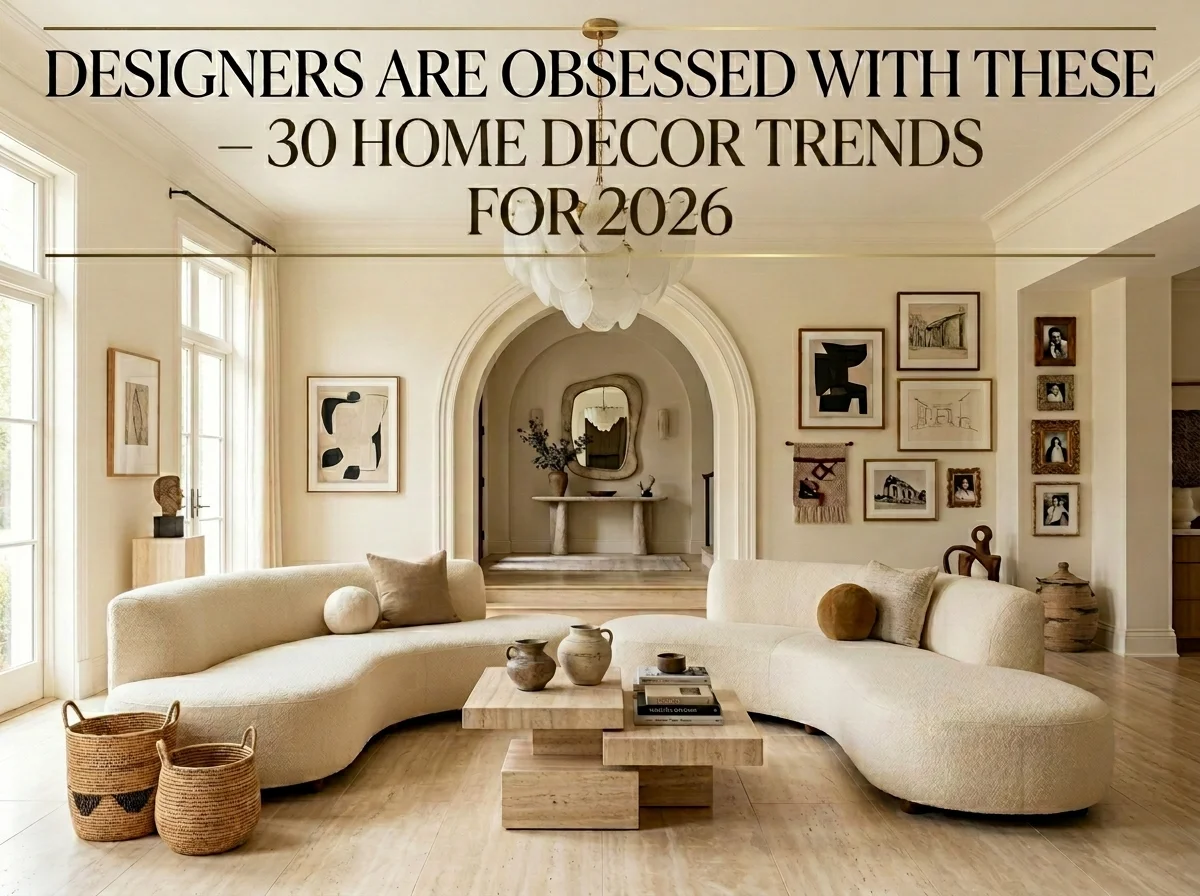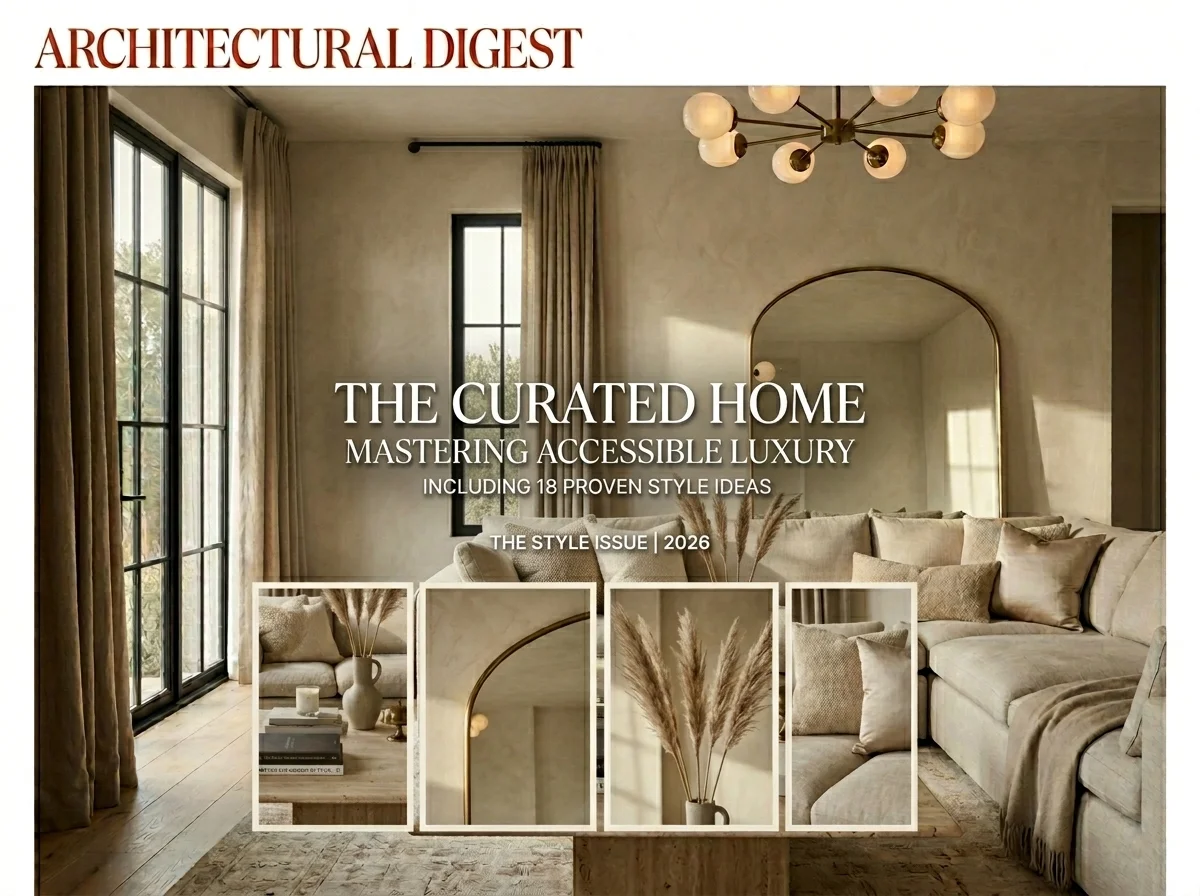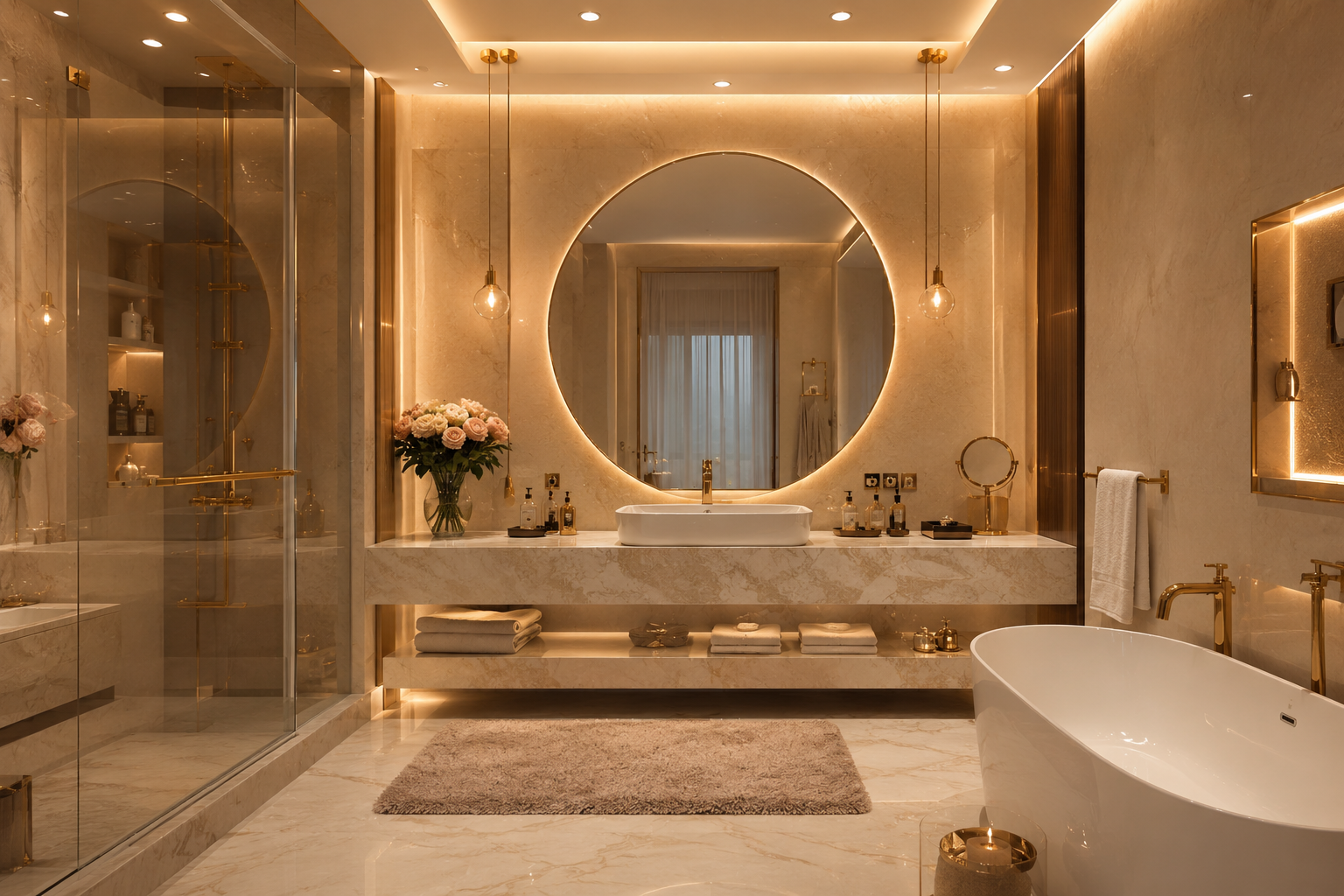
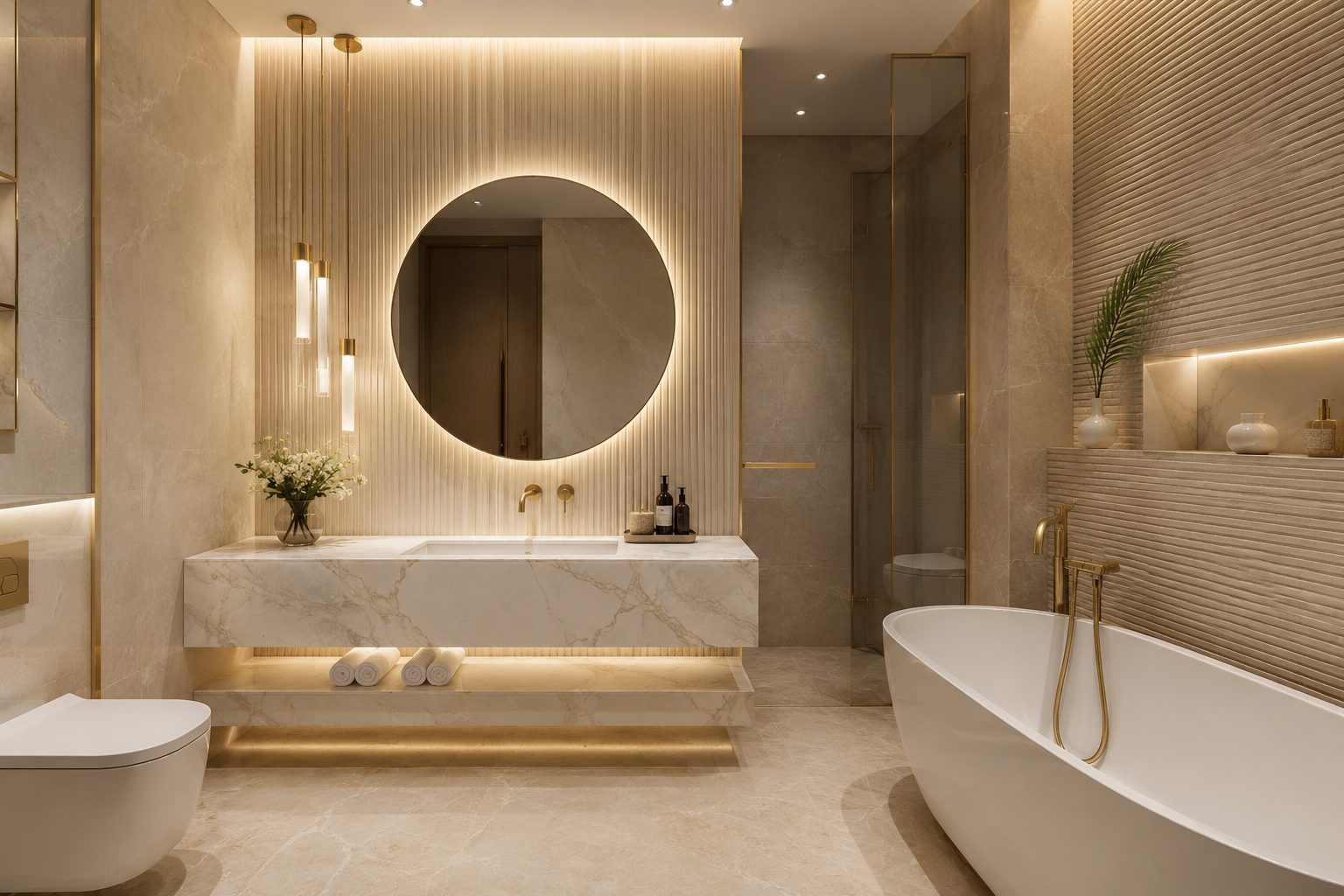
Small spaces force better design decisions. Without the luxury of volume, every choice must be deliberate. These 15 small space decorating hacks are not workarounds — they are the same principles that top designers use in any space, made visible by the constraints of compact living.
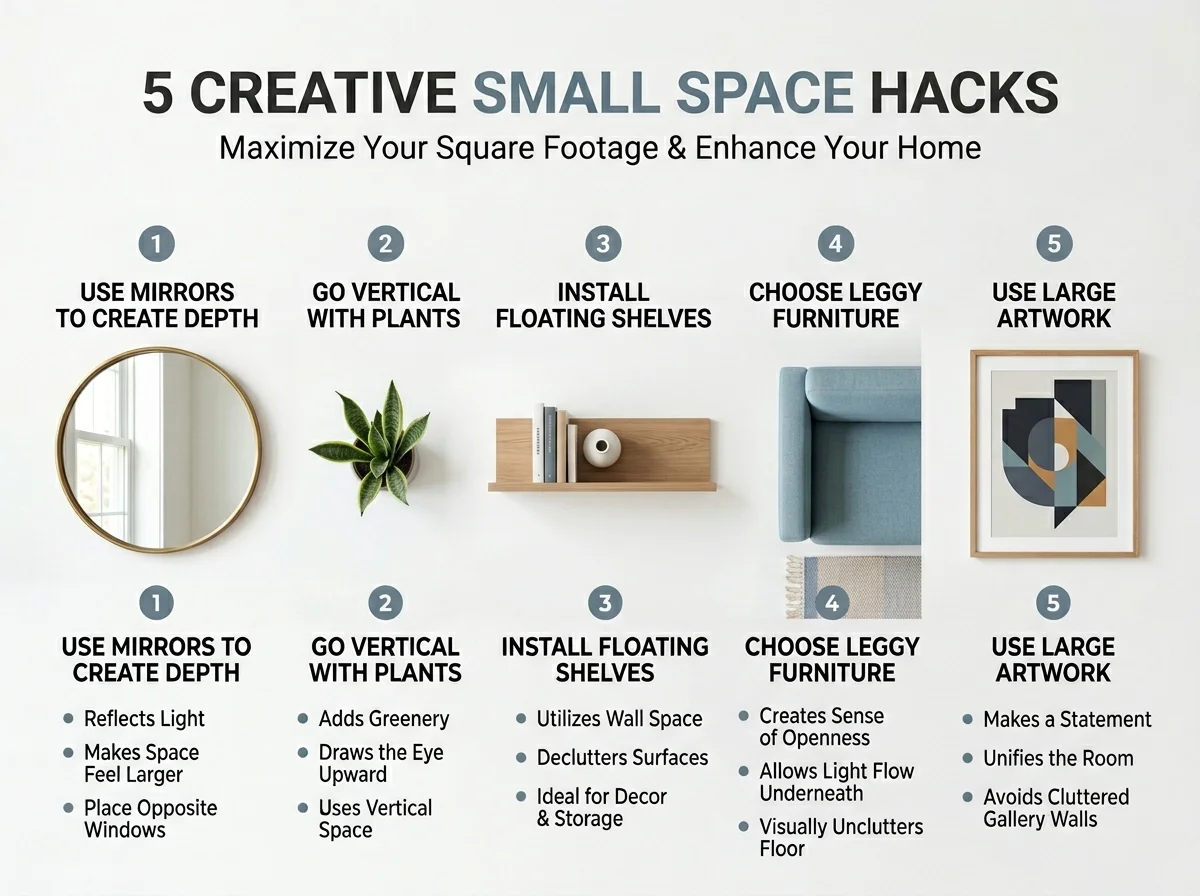
1. Go Vertical, Not Horizontal
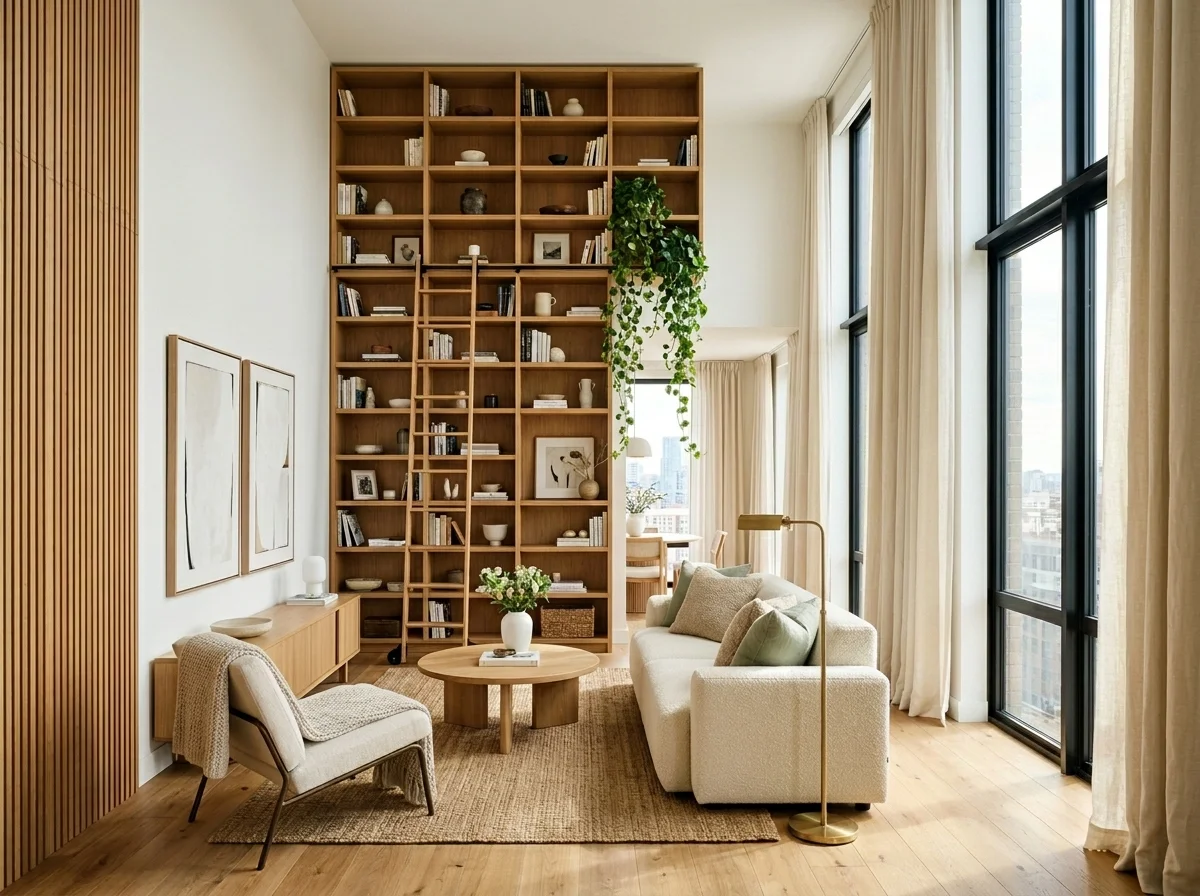
In a small space, height is the only direction left to expand. Floor-to-ceiling shelving, tall slim cabinets, vertically oriented art, and long curtains hung from ceiling height all direct the eye upward and make the room feel taller and larger. A tall narrow bookshelf uses one quarter of the floor space of a wide low one while providing more storage and more visual height.
Hang curtain rods within 6 inches of the ceiling, regardless of where the window actually ends. Let the curtains fall to the floor. This single change adds a perceived 25–40% increase in ceiling height at zero cost beyond a taller curtain panel.
2. One Large Rug Instead of Several Small Ones
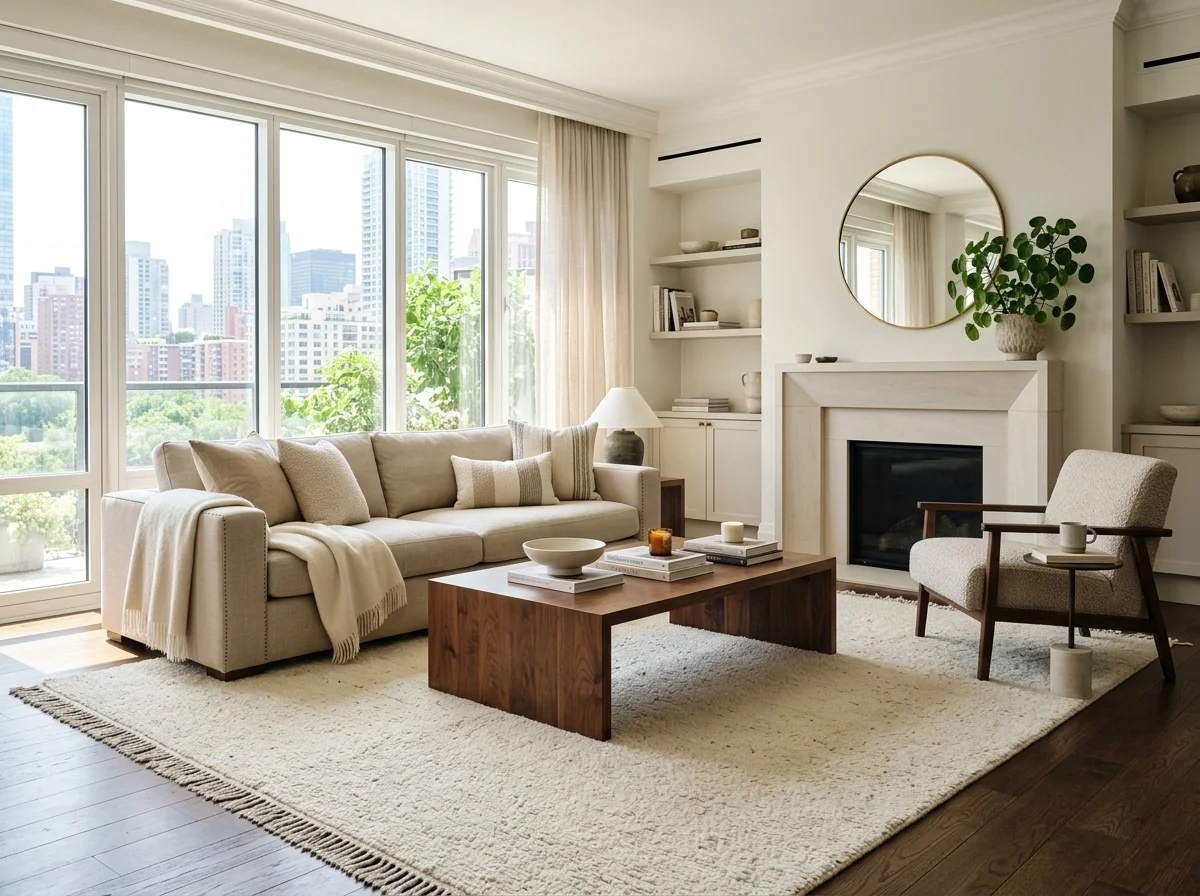
Multiple small rugs fragment a small room into even smaller zones. A single large rug — filling most of the floor space — unifies the room and makes it read as a single generous space. The rule: if in doubt, go bigger. A rug that is too large for a room is almost impossible to achieve in a small space.
3. The Large Mirror Strategy
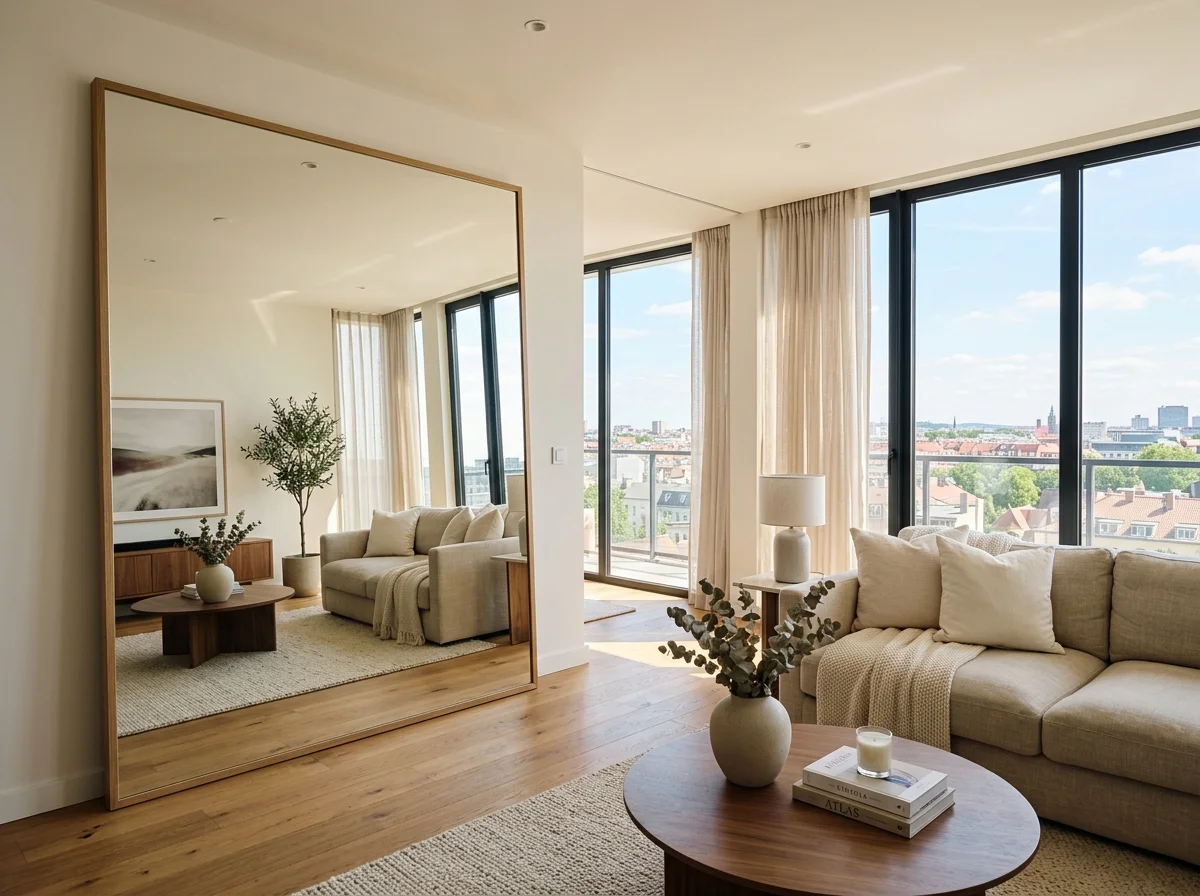
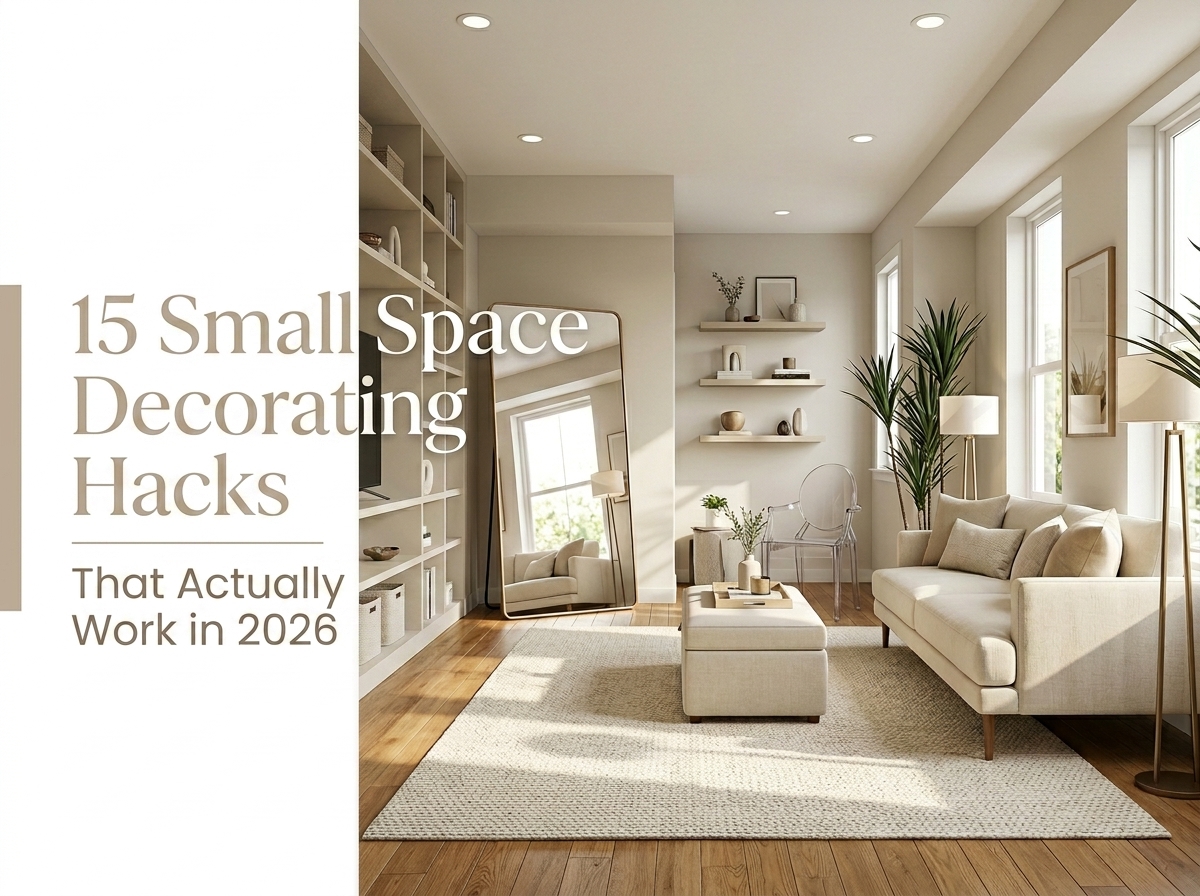
A large mirror — leaned against a wall, mounted above a console, or built into a wardrobe door — effectively doubles the perceived size of any room by creating a second visual space. Position it to reflect a window or a light source for maximum spatial expansion.
4. Furniture With Visible Legs
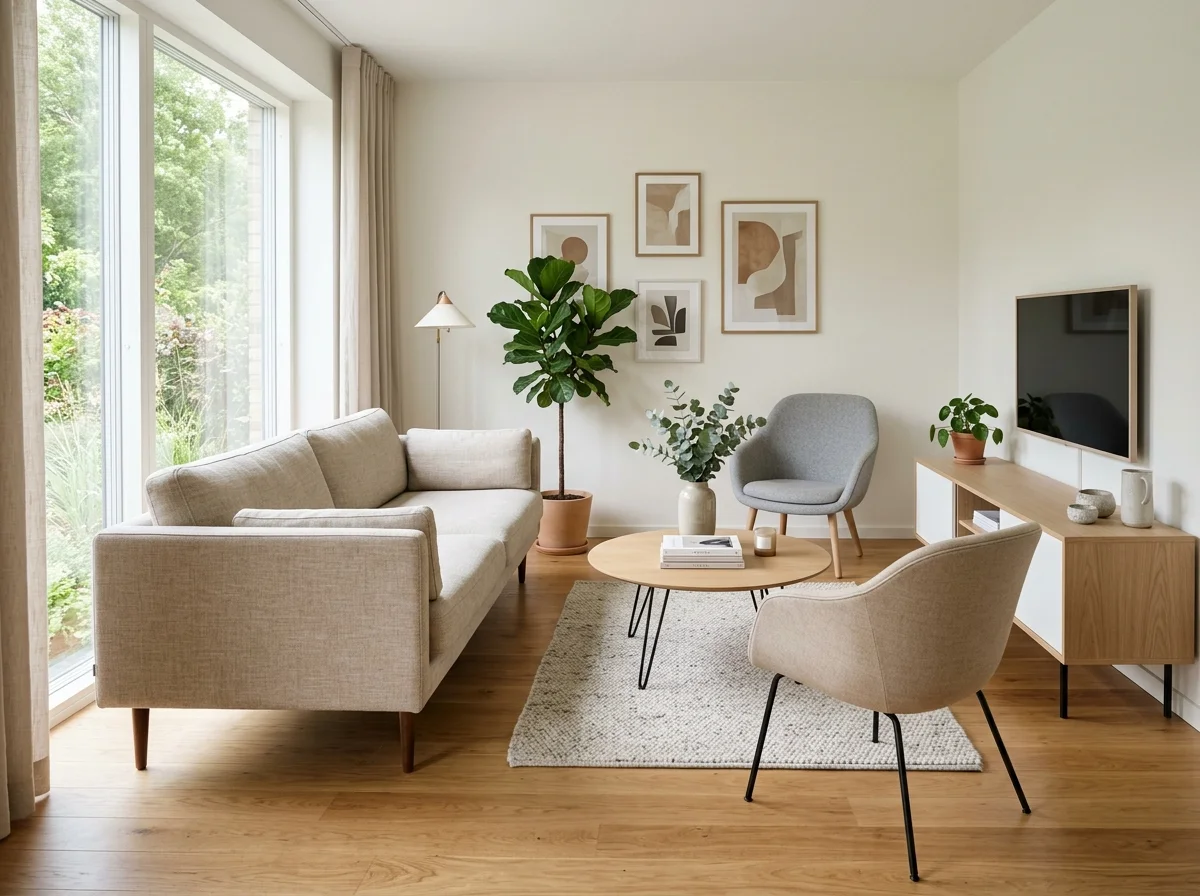
Furniture that sits directly on the floor creates visual mass and shortens the space. Furniture raised on visible legs — even 4-inch tapered legs — allows the floor to continue underneath, creating the impression of more floor area. This is particularly impactful for sofas and beds: a visible floor gap under a sofa adds 15–20% perceived floor space.
5. Multi-Functional Furniture as the Default
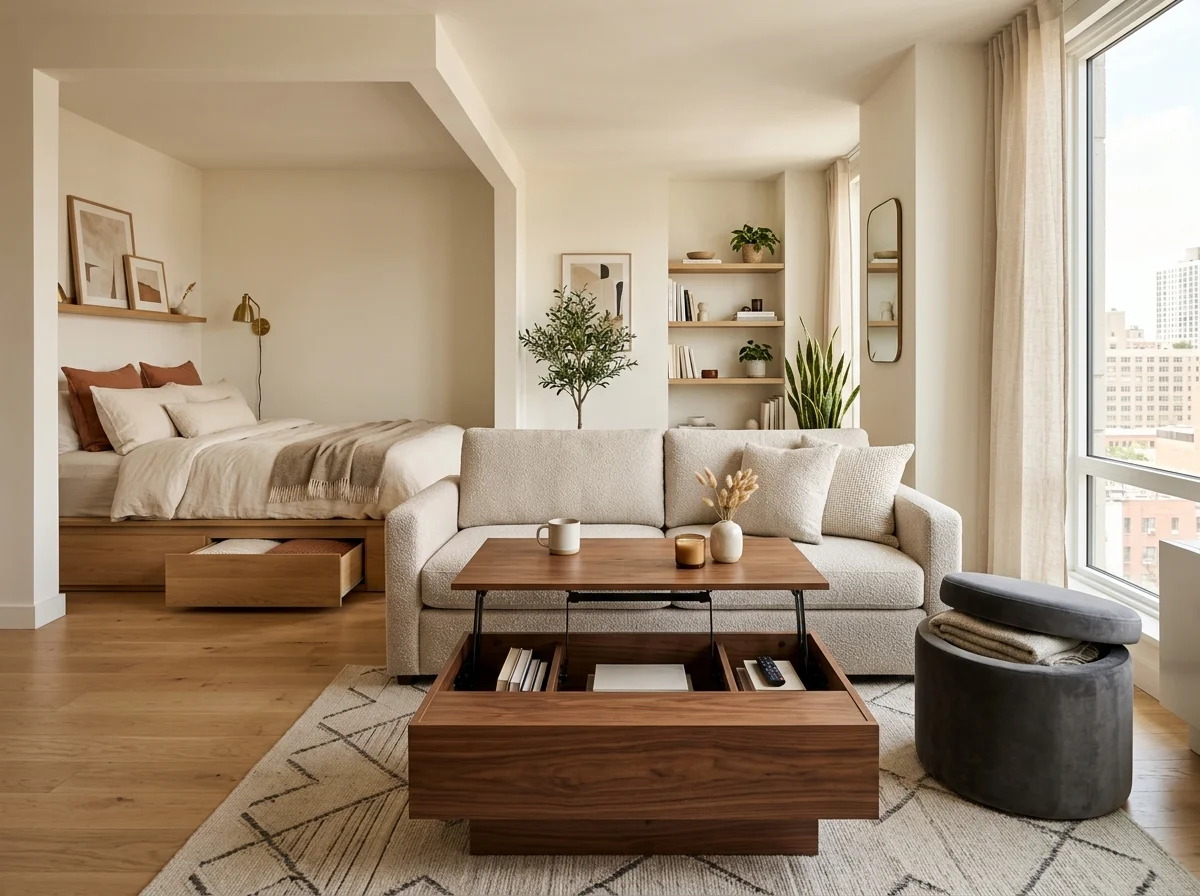
In a small space, single-function furniture is a luxury that cannot be afforded. Every piece should serve at least two purposes: an ottoman that opens for storage and works as a coffee table; a bed with built-in drawers; a dining table that folds against the wall; a sofa with a pull-out sleeping surface. This is not a compromise — it is design precision.
6. Keep the Color Palette Tight and Warm
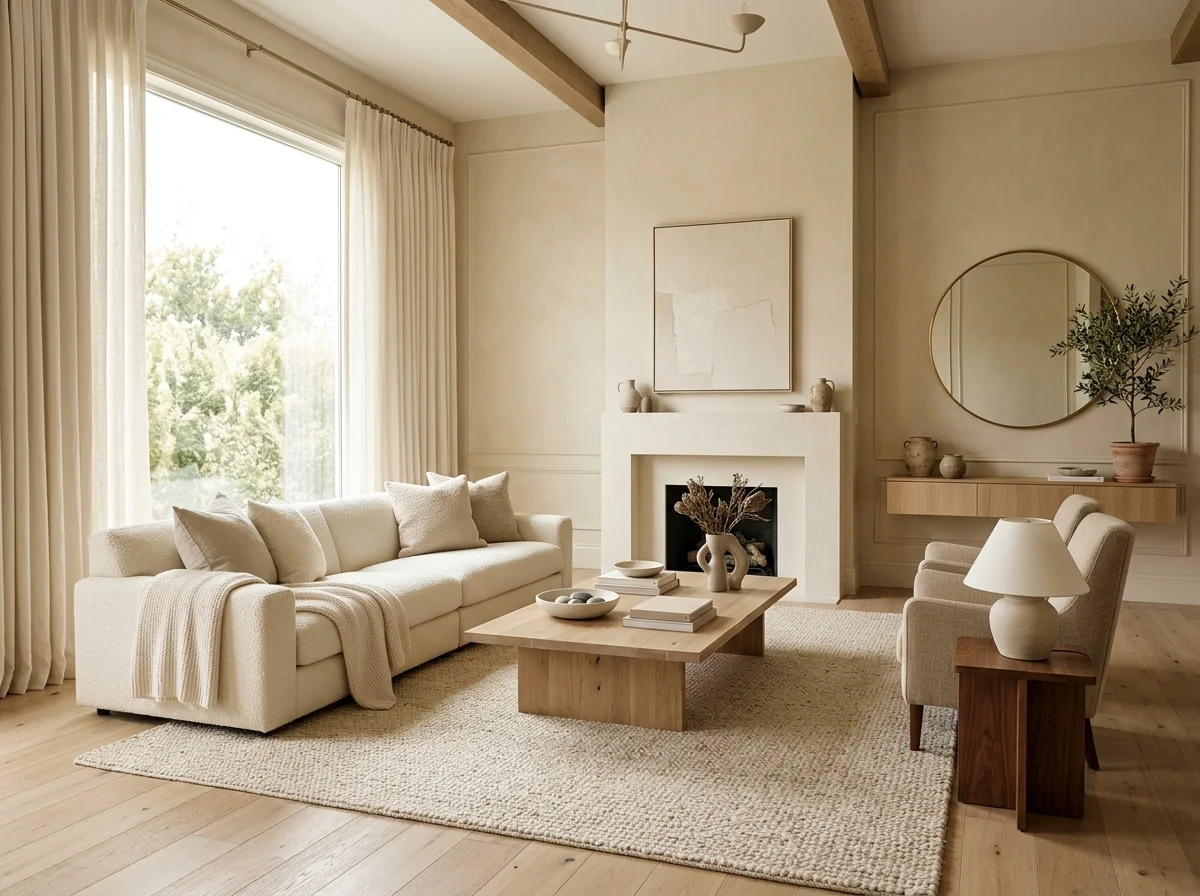
More than three colors in a small room creates visual fragmentation that makes the space feel chaotic and smaller. A single warm neutral palette — wall, furniture, and rug all within the same tonal family — creates a seamless expanse that reads as larger than it is. Save bold color for single accent pieces only.
7. Transparent and Lucite Furniture
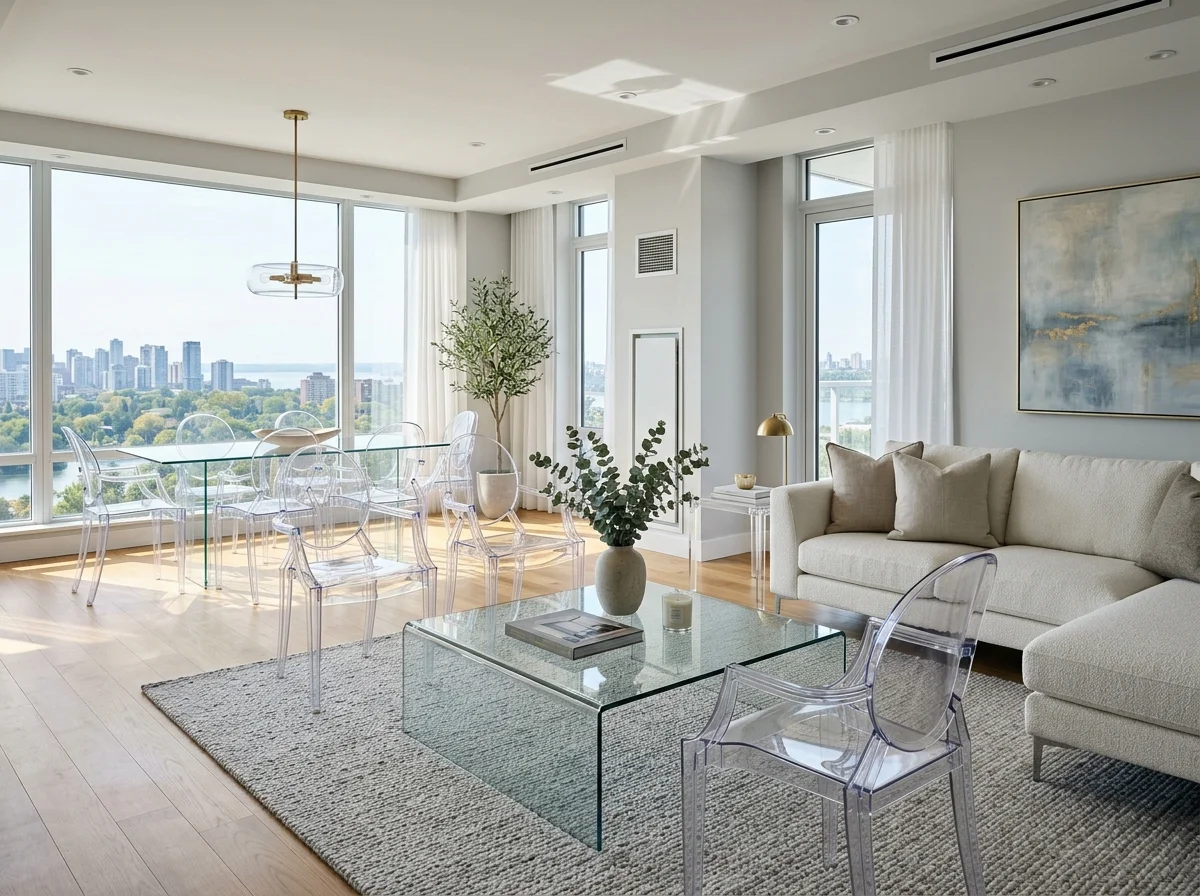
A glass coffee table, a clear acrylic side chair, or Lucite shelving brackets occupy zero visual space — the eye passes through them to the floor and wall beyond. In a small living room, one or two transparent pieces can significantly reduce the visual weight of the furniture arrangement.
8. Wall-Mounted Everything You Can
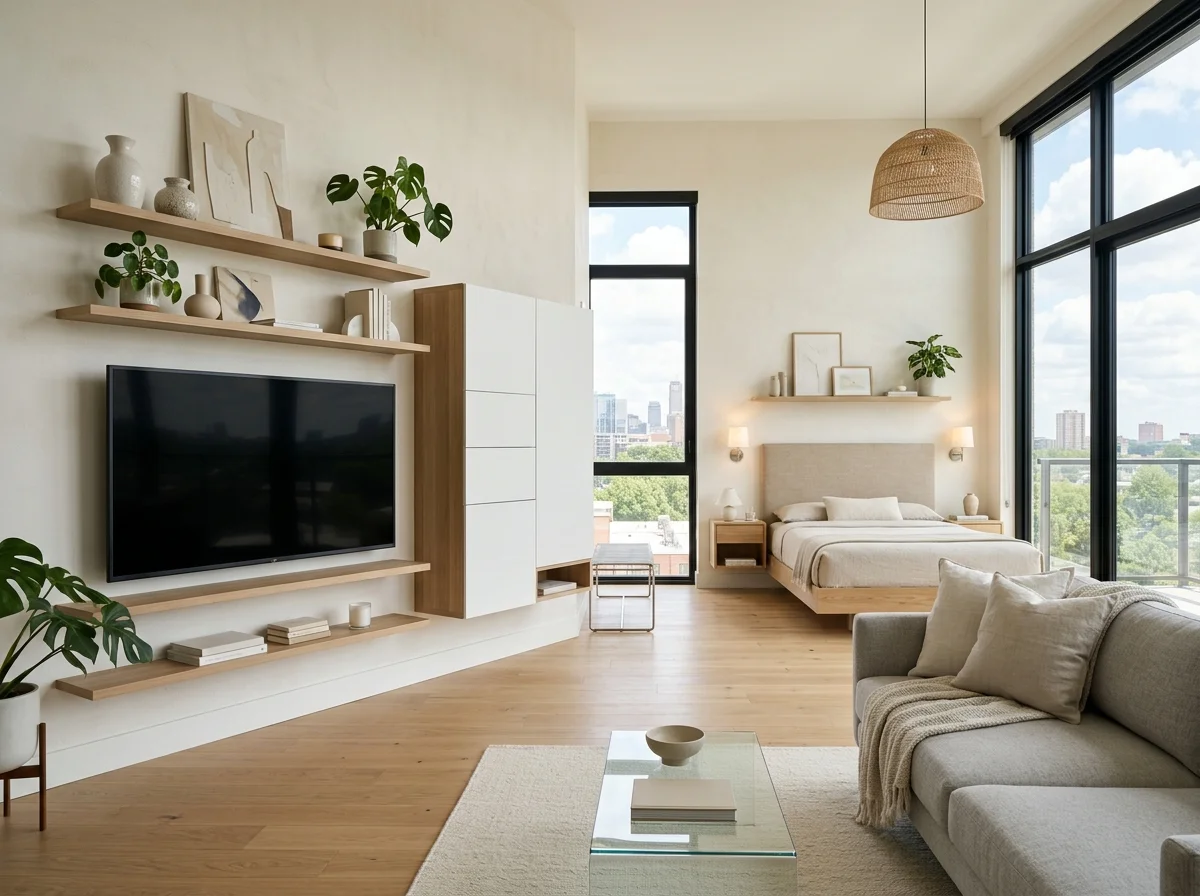
Wall-mounted bedside tables, floating shelves instead of bookcases, wall-hung TV brackets instead of TV units, wall-mounted bathroom vanities — every item raised off the floor exposes more floor surface and reduces the visual clutter of furniture legs.
9. Pull Art Down in Scale
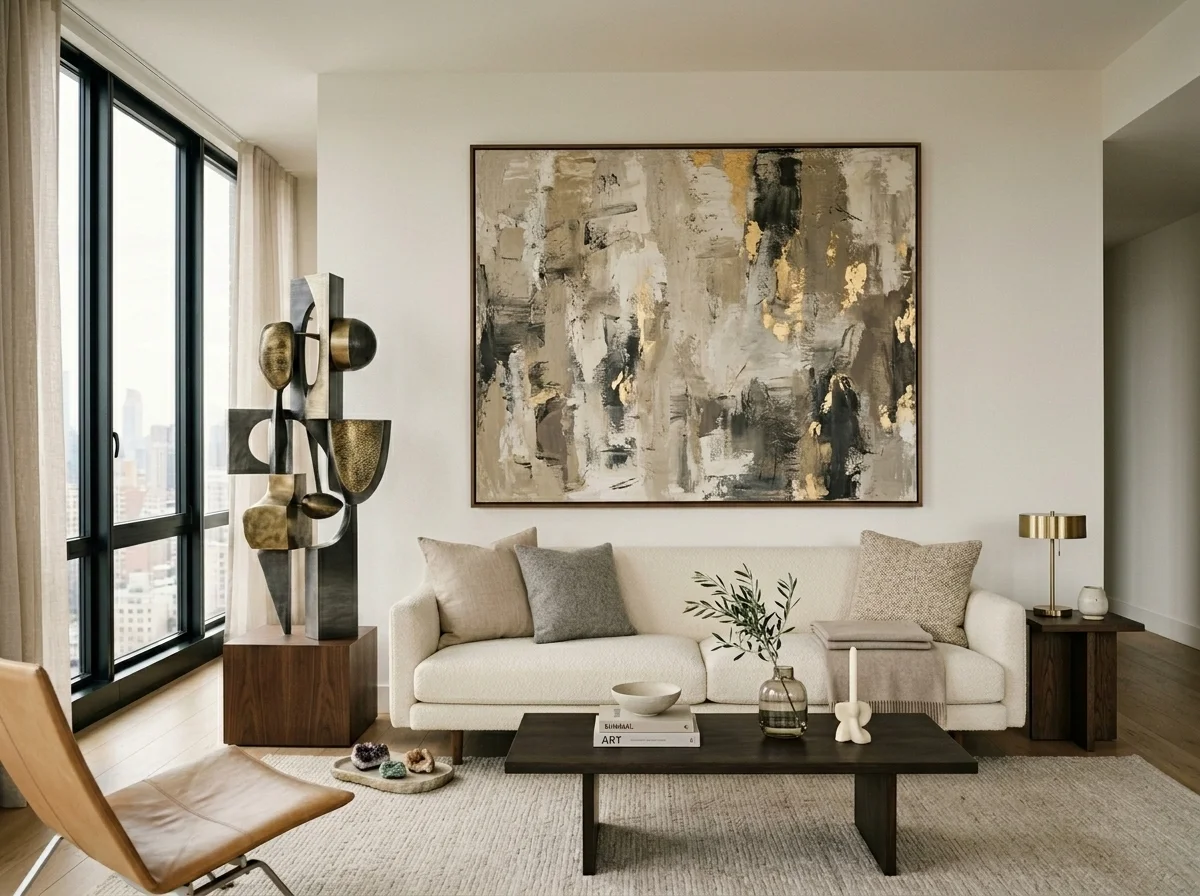
One large artwork reads as more spacious than six small ones. In a small room, fewer, larger pieces of wall art prevent the fractured, cluttered appearance that multiple small frames create. Choose one statement piece per wall and give it generous surrounding negative space.
10. Strategic Lighting Placement
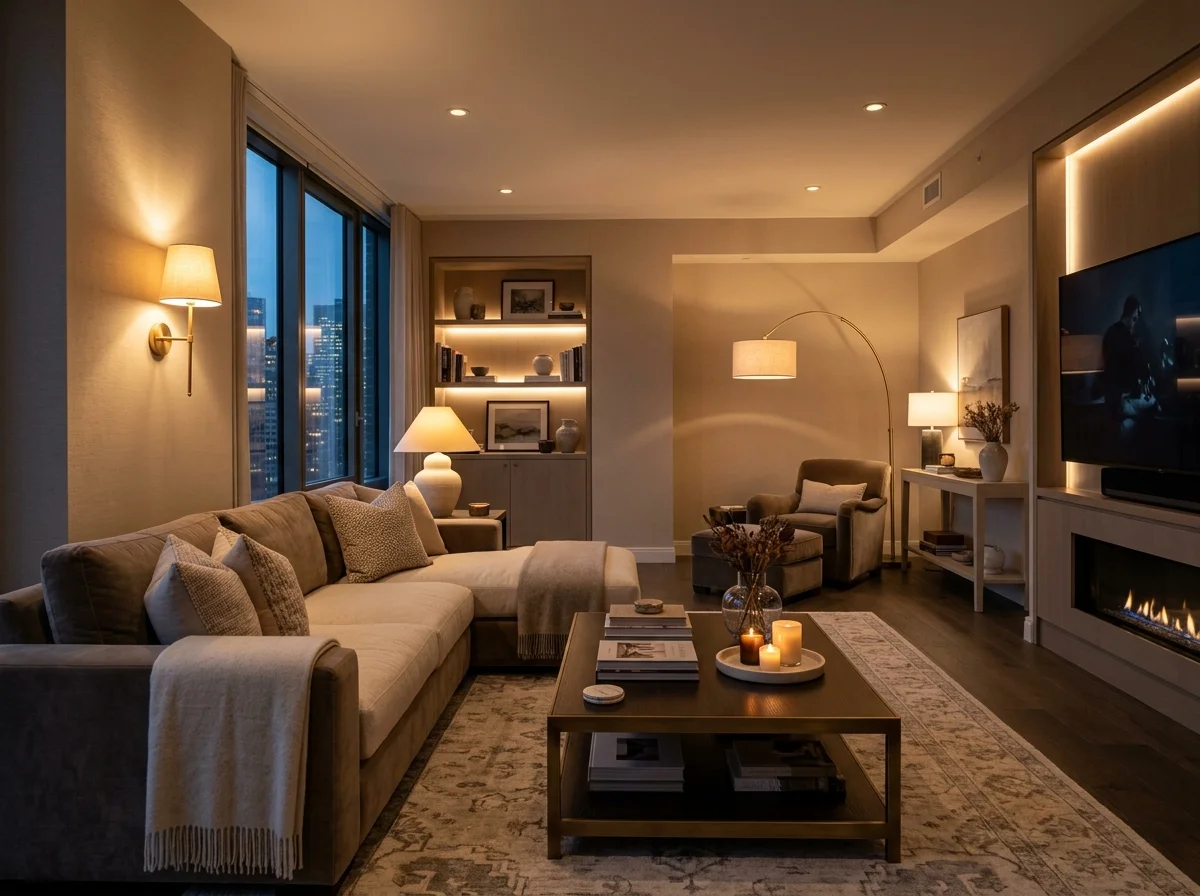
A single overhead light makes every corner of a small room equally visible — and equally small-feeling. Multiple lower light sources — table lamps, floor lamps, candles — create zones of warmth and shadow that make a room feel layered and larger. The lit areas feel intimate; the shadowed areas feel like they extend beyond.
11. Built-In Storage Around Doorways
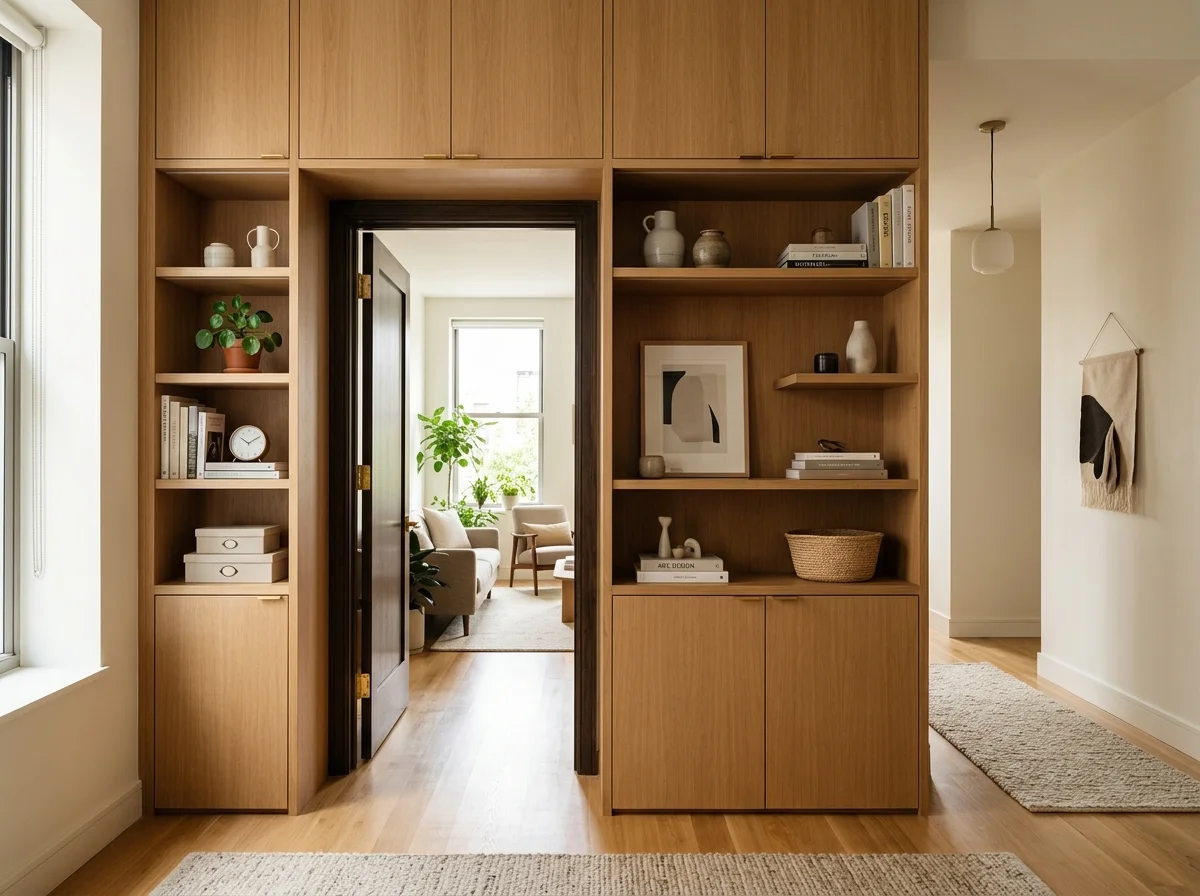
The space immediately beside and above every doorway is typically wasted. Adding built-in shelving that wraps around a doorframe — using the dead wall space to either side — creates storage that does not consume any new floor space. This is one of the highest-return space investments in any small home.
12. The Nesting Table Set
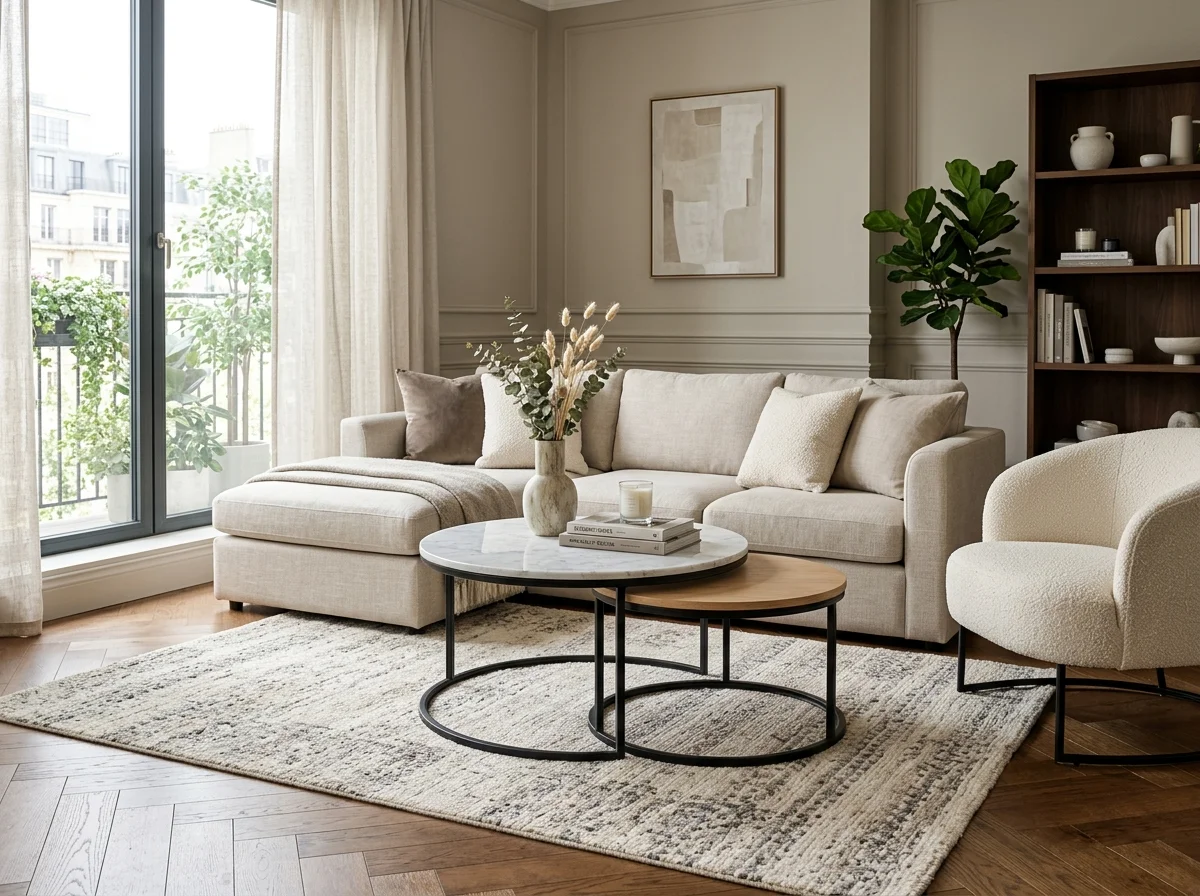
Two or three nesting side tables — pulled apart when needed, nested together when not — occupy the footprint of a single table when at rest. More versatile, more functional, and more visually interesting than a single fixed side table in any small living room.
13. Room-Width Dining Table
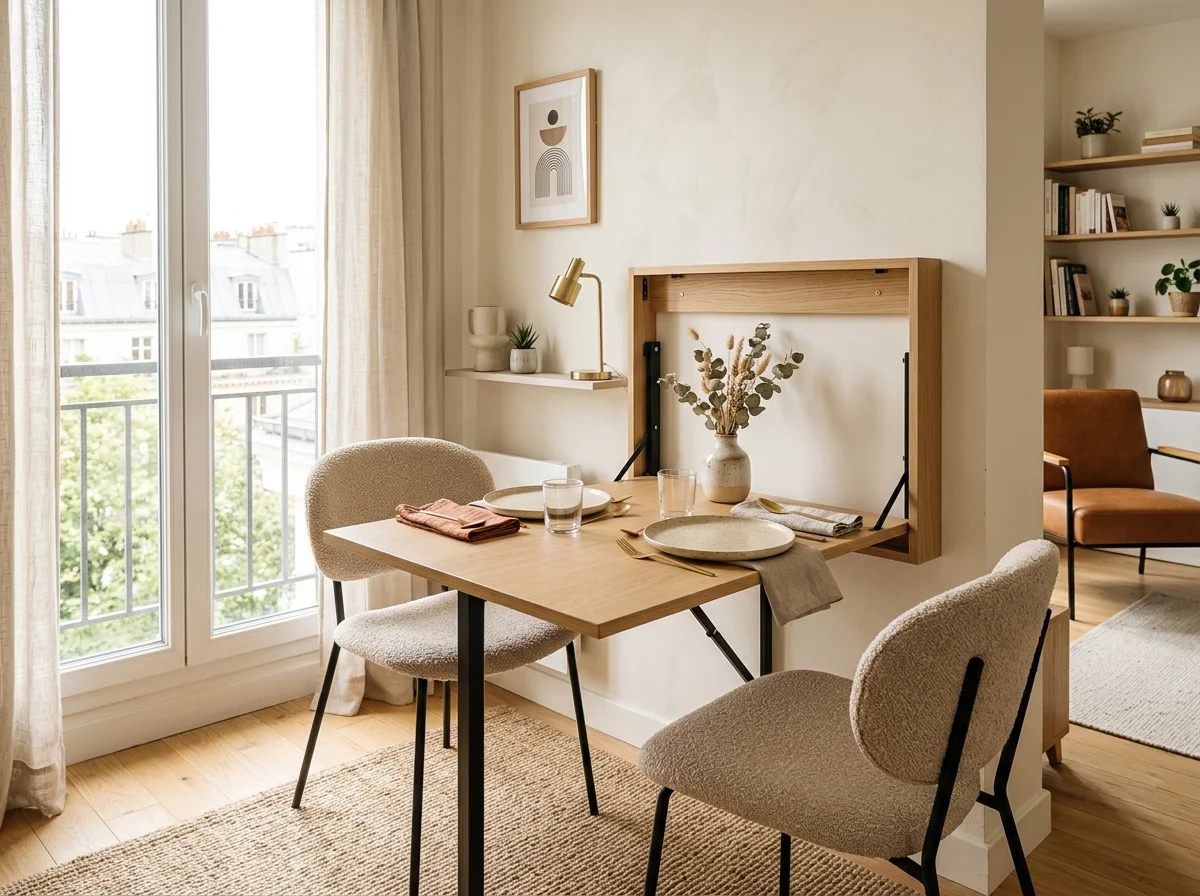
In a small dining area, a wall-mounted fold-down table that spans the full width of one wall — pulled down for meals, raised flat against the wall when not in use — frees up the entire floor area of the dining zone for the remaining 20 hours of the day. The clean, furniture-free floor dramatically expands the perceived space.
14. Strategic Plant Placement
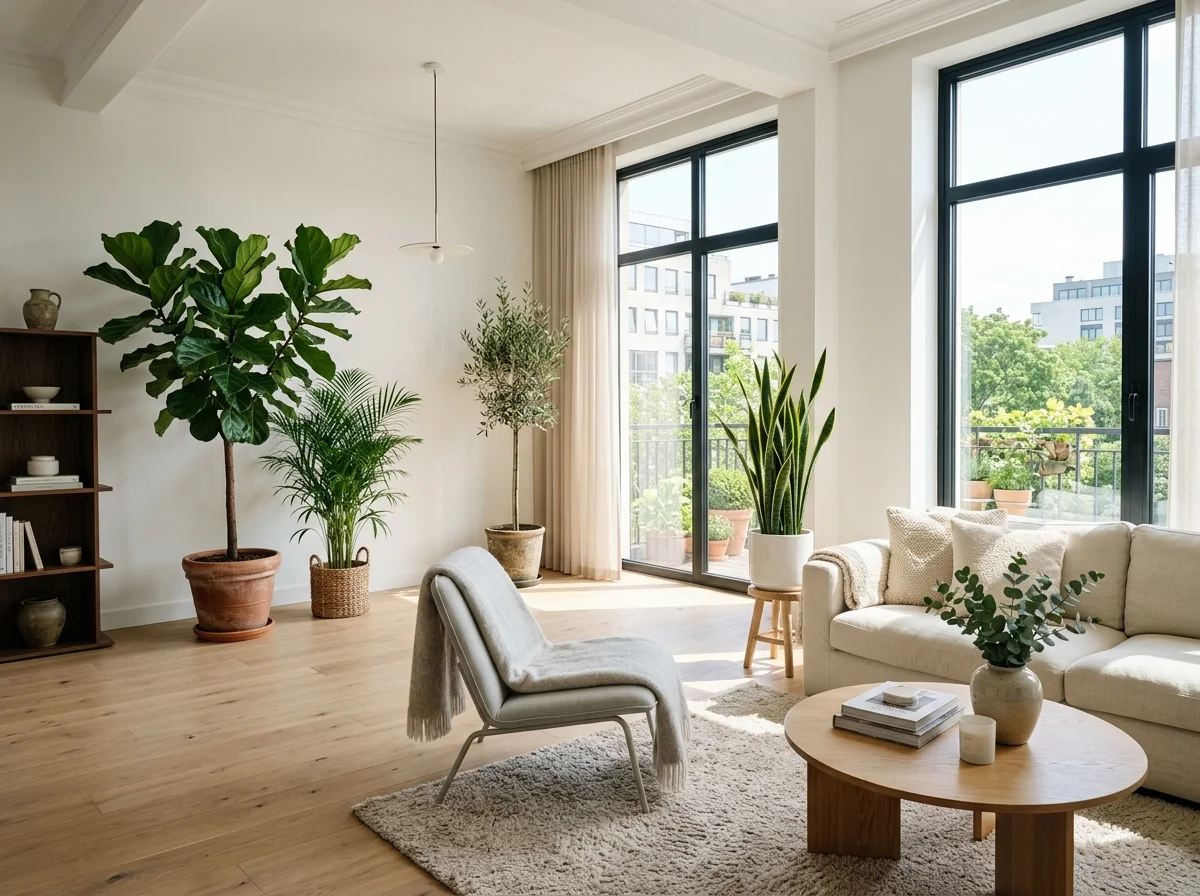
A single tall, slim plant — a snake plant, a tall bamboo palm, an olive tree — in a corner adds vertical interest and organic form without consuming meaningful floor space. Avoid wide-spreading floor plants in small rooms; vertical is the operative principle here too.
15. The Edit Habit
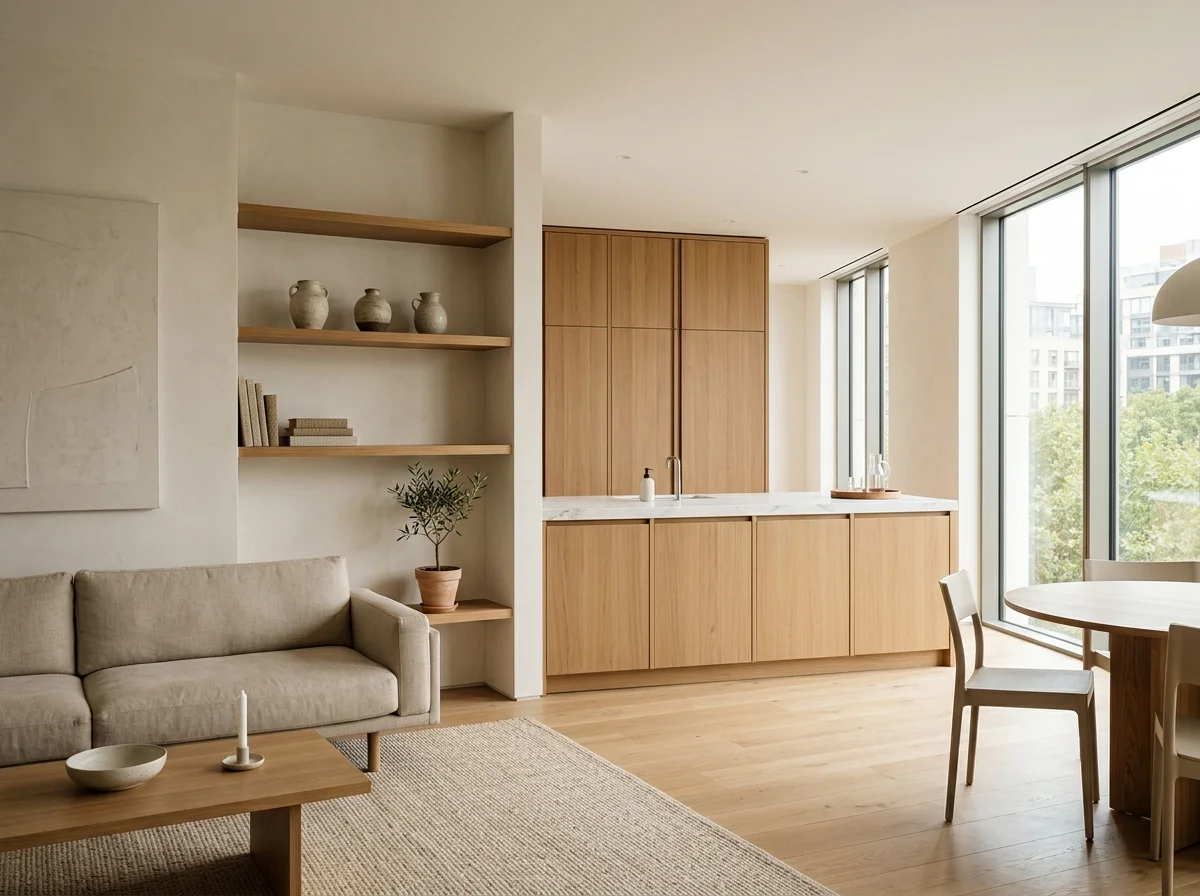
Small spaces require ruthless editing. Every month, remove one object from every room. After six months, what remains is a curated collection of the things that genuinely belong — and the space will feel exactly as large as it should. The most powerful small space hack is not a product; it is a habit.
"Small spaces don't need big solutions. They need precise ones."Small Space Design Principle