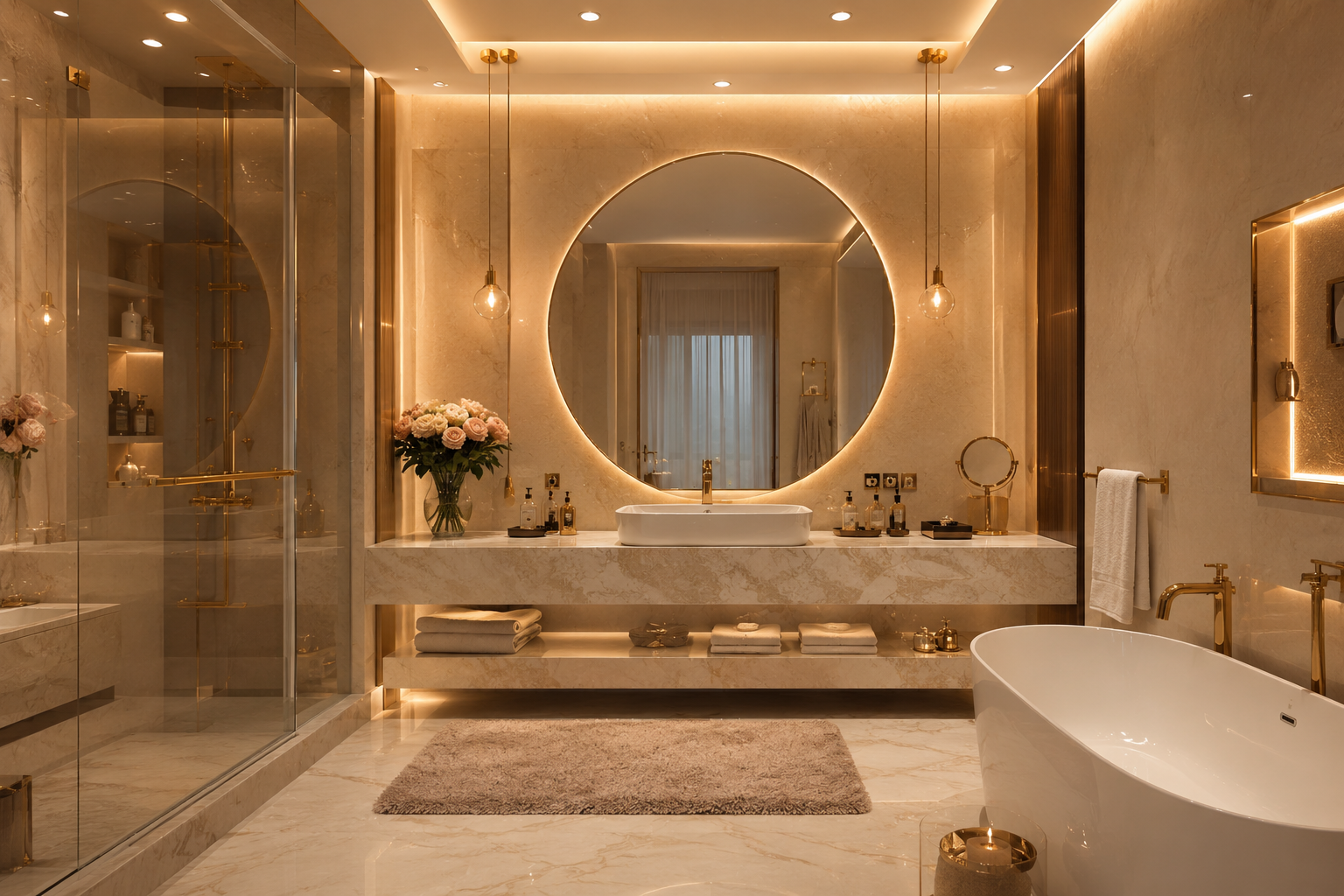
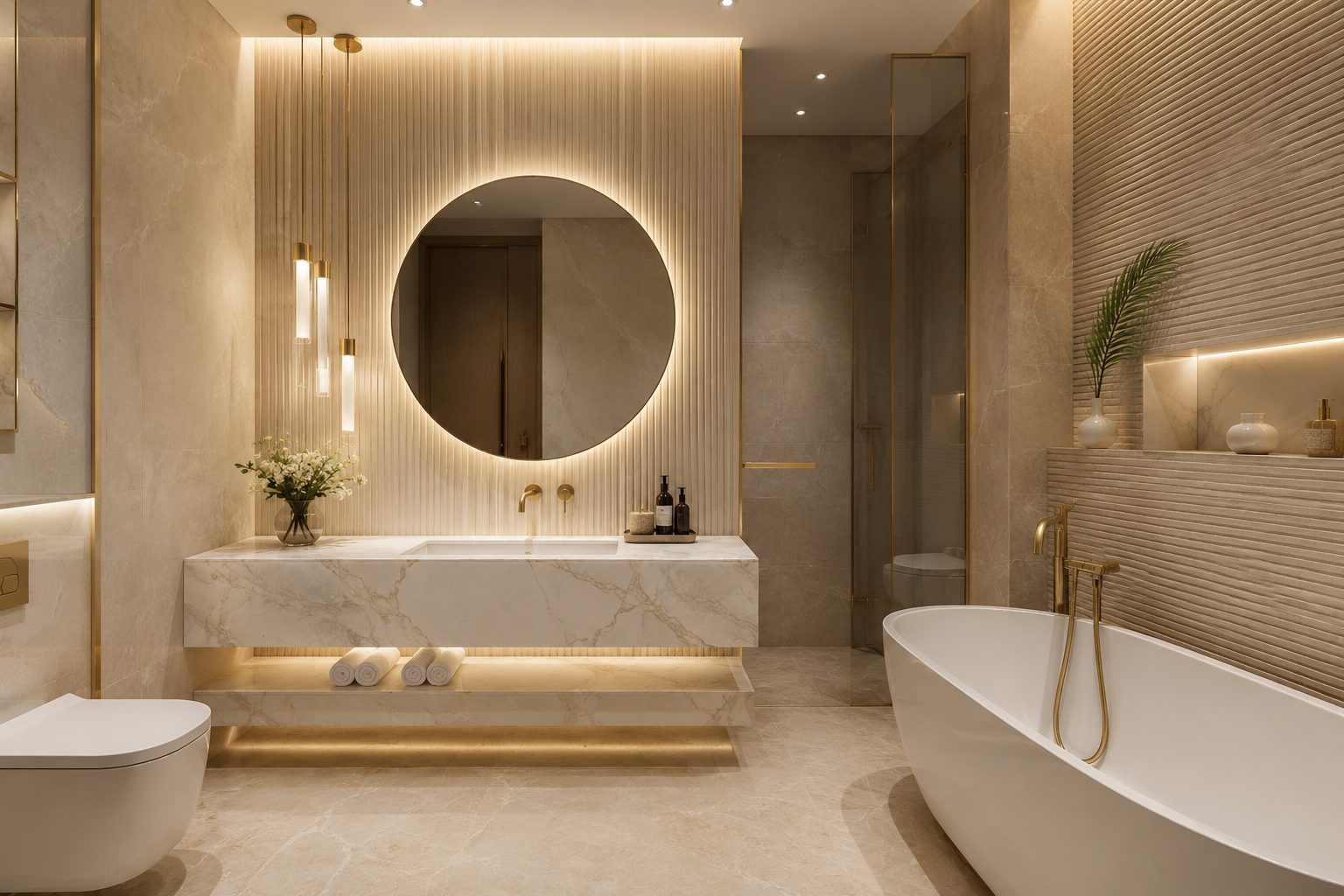
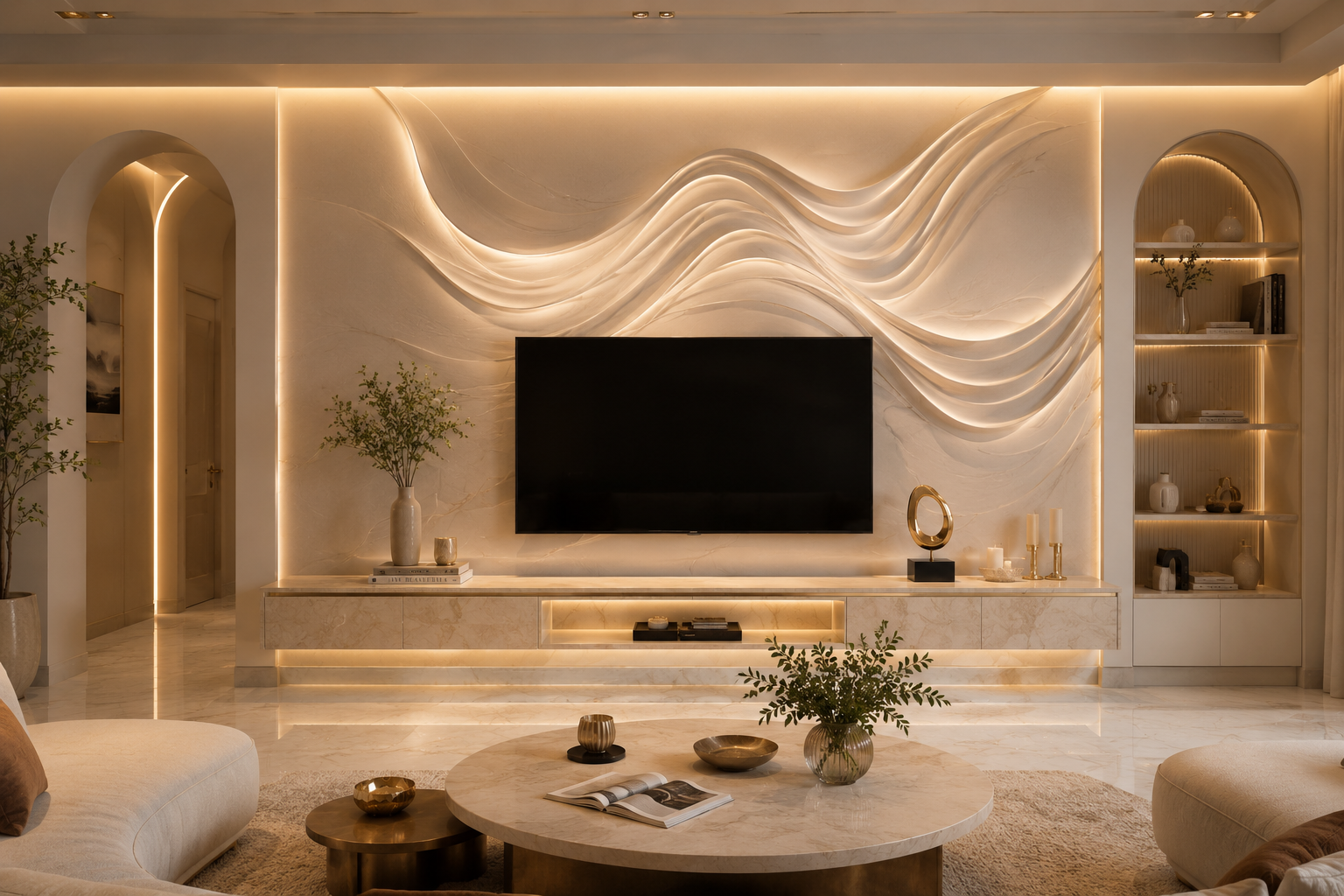
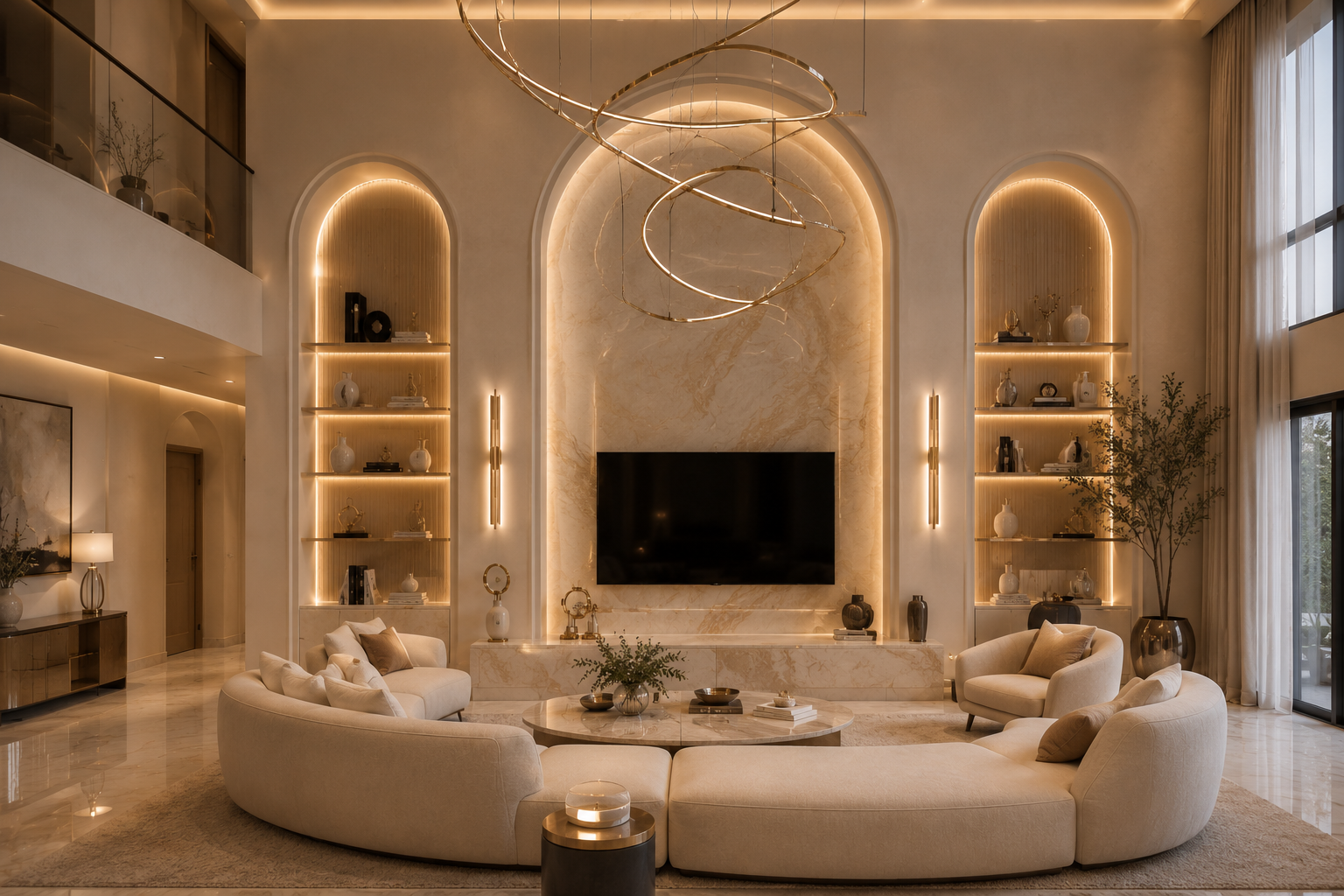
Japandi is the design trend that refuses to be a trend. Five years after it first appeared on every interior design list, it keeps gaining momentum — because it is less about aesthetics and more about philosophy. Rooms designed in the Japandi spirit feel calm in the way that very few rooms manage.
The Core Japandi Principles
Japanese wabi-sabi brings a reverence for imperfection, natural aging, and the beauty of the unfinished. Scandinavian hygge brings warmth, functionality, and the art of cozy. Together, they produce spaces that are simultaneously minimal and liveable — never cold, never cluttered.
Every object in a Japandi room should pass two questions: Is it useful? Is it beautiful? Ideally, it is both. If it is neither, it does not belong.
Botanical Art: The Perfect Japandi Wall Treatment
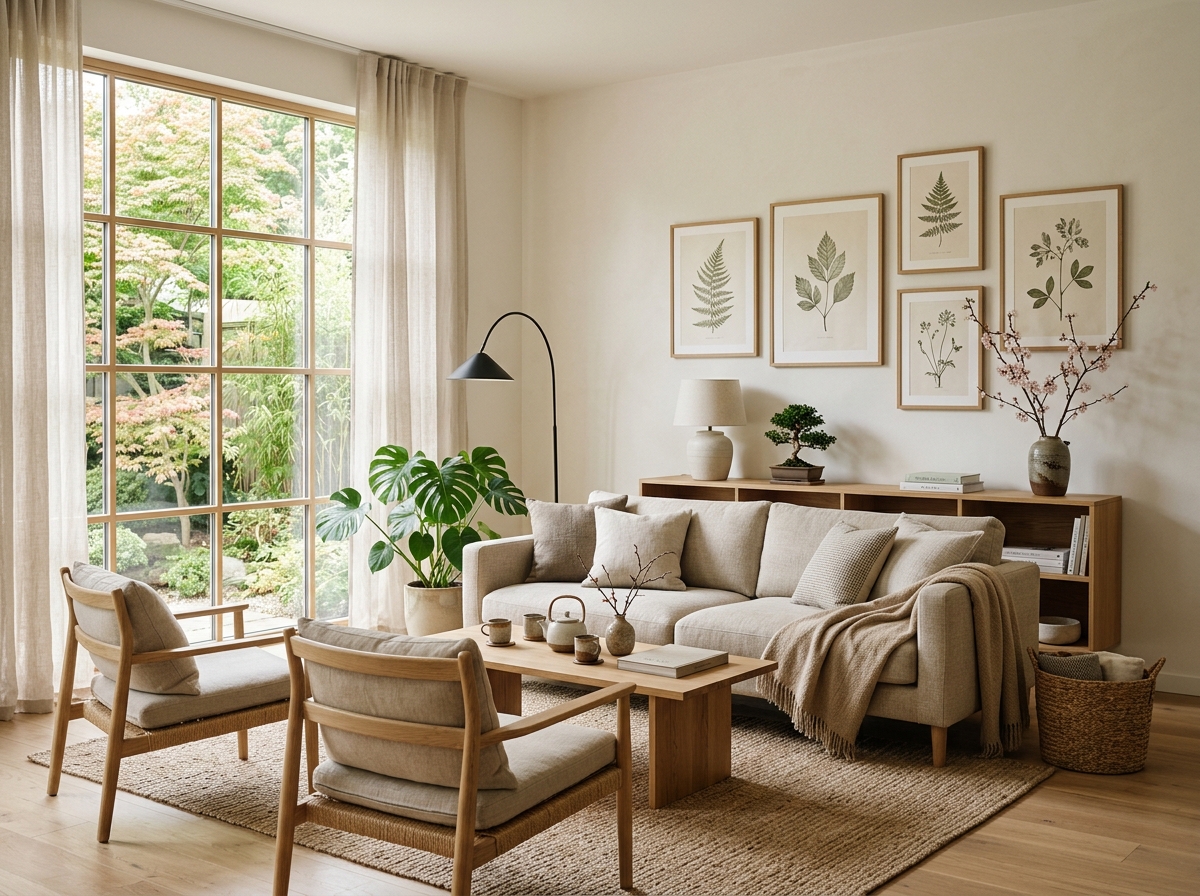
Botanical art — pressed botanical prints, ink branch paintings, leaf studies on linen — connects directly to both the Japanese love of natural forms and the Scandinavian tradition of bringing the outdoors in. A large framed botanical print or an unframed linen canvas with a single ink branch becomes the wall's entire statement.
- 01Oversized Botanical Prints
Large-format botanical illustrations in simple oak or natural wood frames. Scale up beyond what feels comfortable — the generous scale is very Japandi.
- 02Ink Branch Studies
Black ink on cream or aged paper, framing a single cherry blossom branch or bamboo stem. Japanese in origin, perfectly at home in a Scandinavian-inspired space.
- 03Dried Botanical Arrangements
Dried pampas, eucalyptus, or cotton stems in a simple ceramic vase beside the sofa. Three-dimensional botanical beauty that requires zero maintenance.
The Japandi Furniture Formula
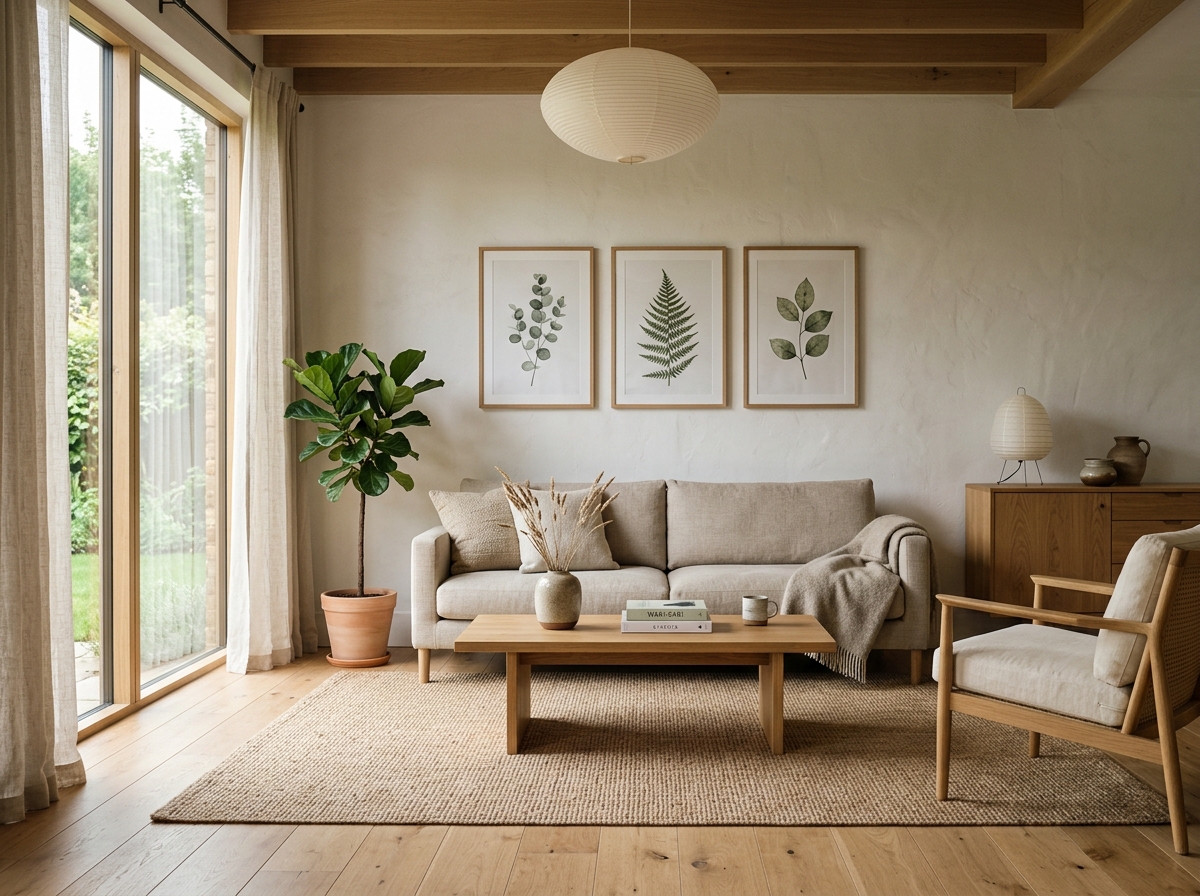
Low-profile furniture in solid oak or ash. A simple linen sofa with no tufting and clean seam lines. A coffee table in solid wood with visible joinery. Open shelving that holds exactly what it needs to hold and nothing more. Every piece looks hand-made, even if it was not.
"In Japandi design, the empty space is as intentional as the furniture. The room breathes because you allow it to."Japandi Design Philosophy
The Palette
Warm whites, linen, warm sand, and mid-tone oak as the base. One deeper anchor tone — deep charcoal, warm slate, or indigo — used sparingly on a single piece of furniture or a single wall. No bright colors. No patterns beyond natural grain and weave.